The Engine announces second round of funding to support “tough tech” companies MIT spinout continues its investment in early-stage startups working to solve key challenges in climate change, human health, and advanced systems. Read more at MIT News. October 29, 2020
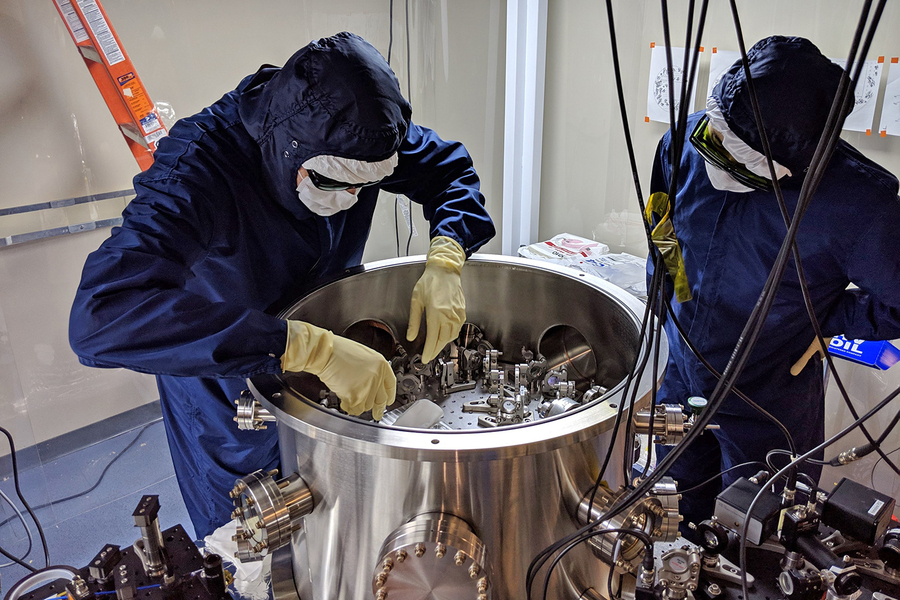
Designing new mirror materials for better gravitational-wave detection Nicholas Demos, a first-generation college graduate and MathWorks Fellow in MIT’s Kavli Institute, is improving our ability to listen to the cosmos. October 28, 2020
Yogesh Surendranath wants to decarbonize our energy systems By developing novel electrochemical reactions, he hopes to find new ways to generate energy and reduce greenhouse gases. October 23, 2020
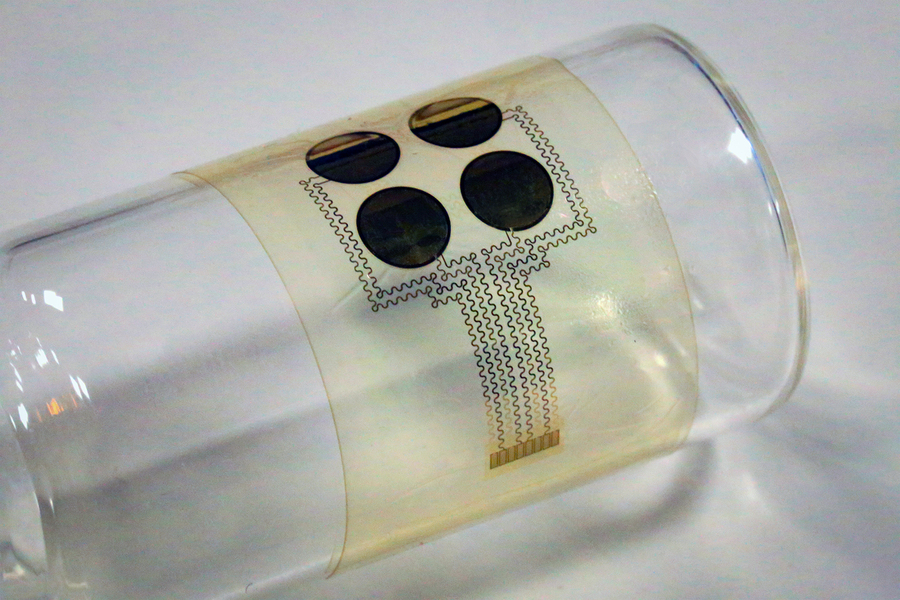
A wearable sensor to help ALS patients communicate Researchers have designed a skin-like device that can measure small facial movements in patients who have lost the ability to speak. October 22, 2020
Evelyn Hu Named 2020 Mildred S. Dresselhaus Lecturer Evelyn Hu, the Tarr-Coyne Professor of Applied Physics and Electrical Engineering at the John A. Paulson School of Engineering and Applied Sciences at Harvard University, has been named the 2020 Mildred S. Dresselhaus lecturer. October 19, 2020
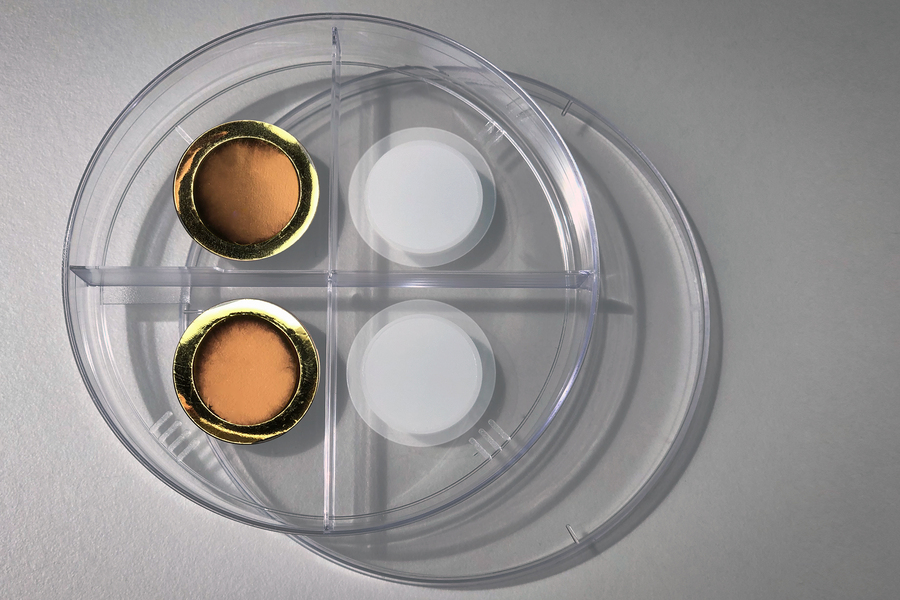
A controllable membrane to pull carbon dioxide out of exhaust streams Electrically switchable system could continuously separate gases without the need for moving parts or wasted space. October 16, 2020
Fujikura joins MIT.nano Consortium Optical communication device and electrical equipment manufacturing company to advise, collaborate with MIT researchers. October 15, 2020
MIT.nano receives LEED Platinum certification Commitment to sustainable practices earns top honor from the U.S Green Building Council. October 14, 2020
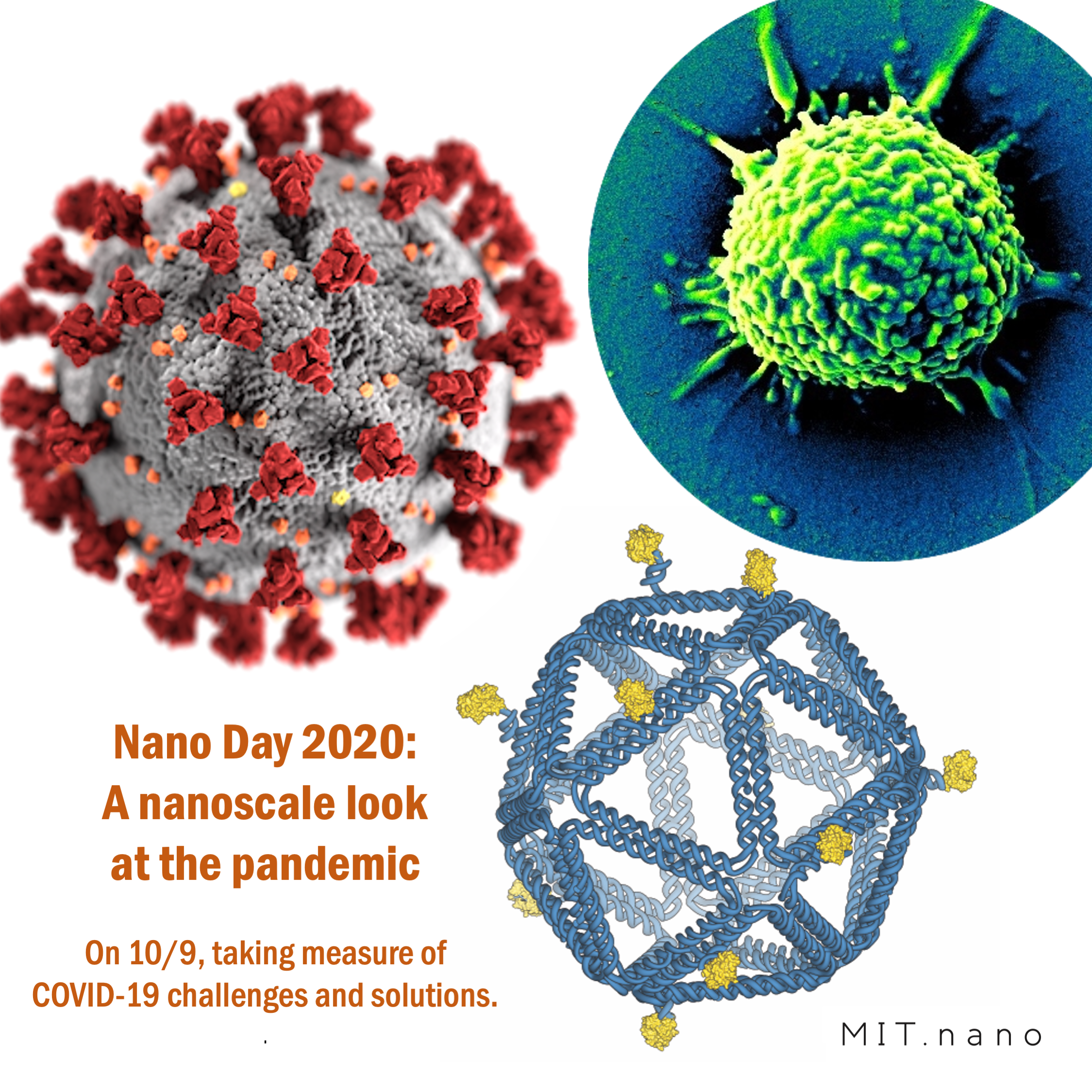
Nano Day 2020: A nanoscale view of the pandemic October 9 is National Nanotechnology Day—the date that corresponds to one nanometer, 1x10⁻⁹ or one billionth of a meter. This year, MIT.nano is recognizing Nano Day by taking measure of COVID-19 challenges and solutions in nanometers. October 9, 2020
MIT Alumni awarded 2020 “Genius Grants” Each recipient will receive a $625,000, no-strings-attached award. October 8, 2020