Graphene can hold multiple states of superconductivity, a new study finds What’s more, the superconducting states get stronger under conditions expected to kill them. June 29, 2026
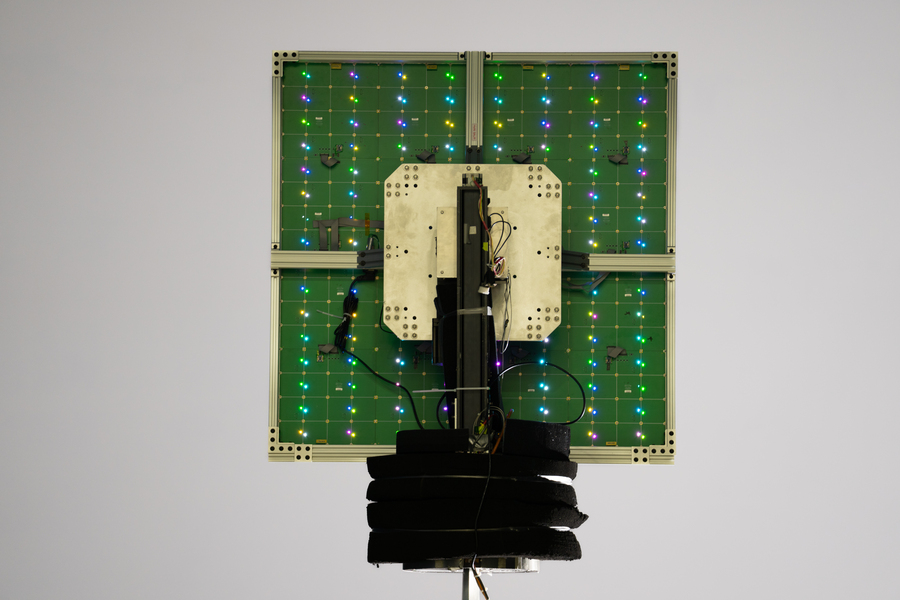
Antenna array could provide protected tactical satellite communications in low-Earth orbit The prototype array uses a small, lightweight, low-power, and low-cost aperture. June 26, 2026
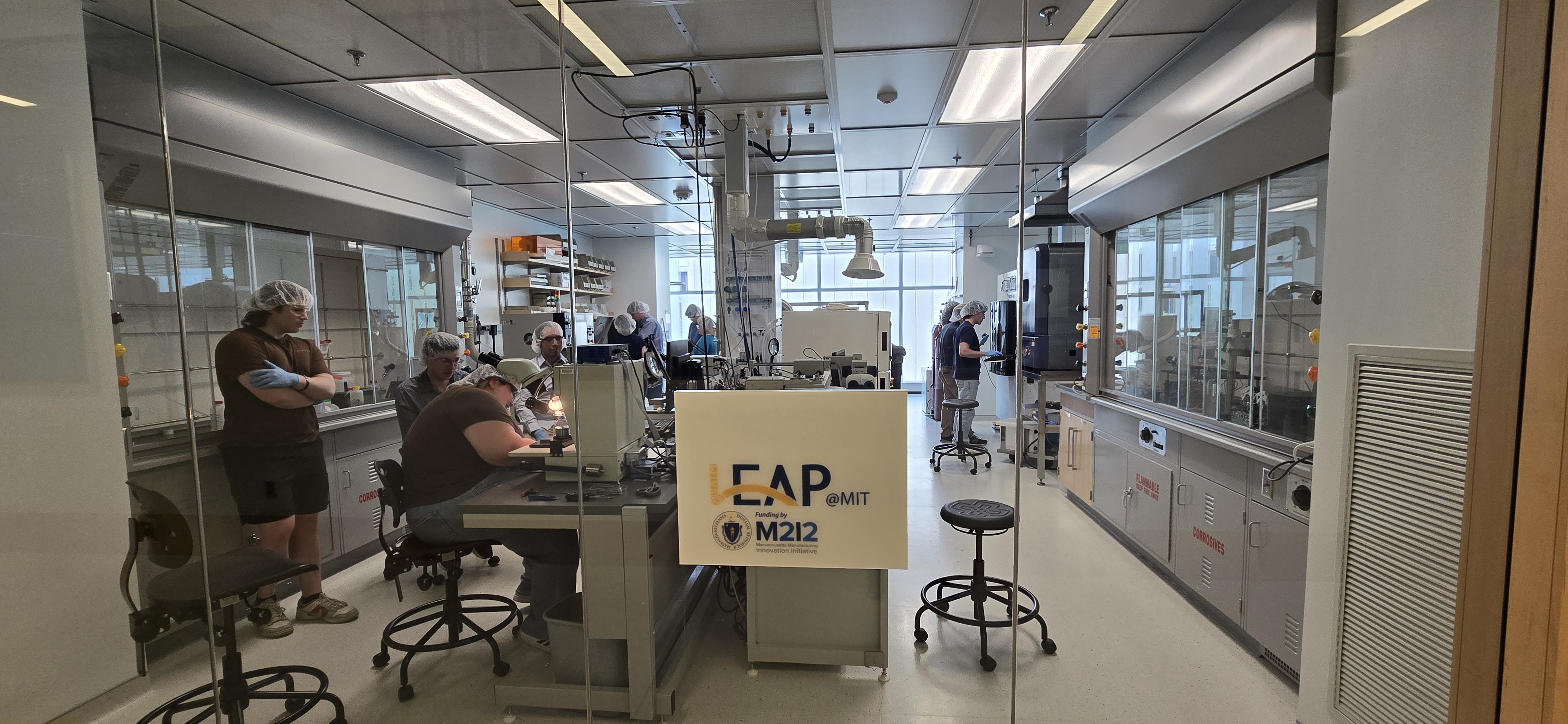
Students from across the Northeast step inside MIT.nano’s cleanroom A hands-on boot camp teaches integrated photonics to community and four-year college students in the region. June 26, 2026
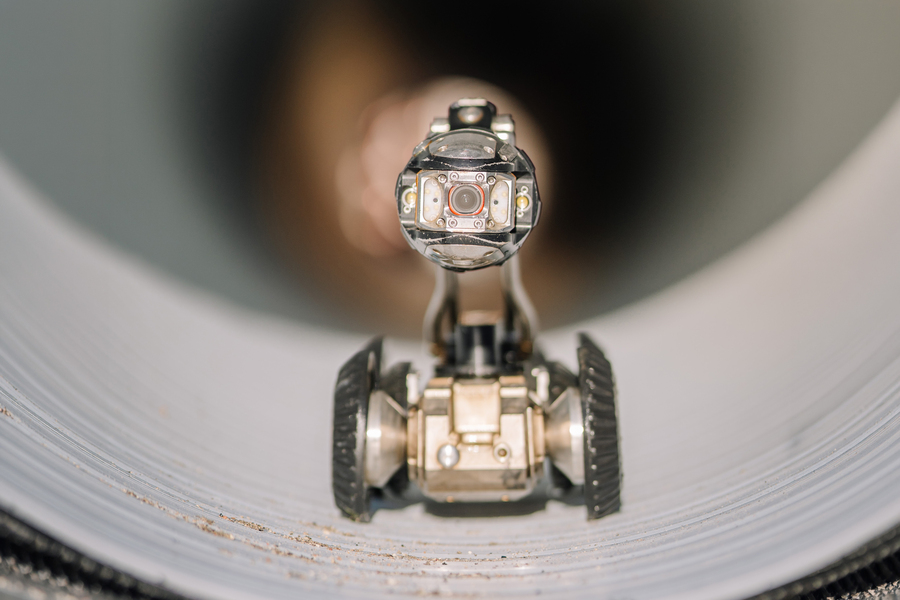
New chip could help tiny robots traverse complex environments Researchers combined an efficient algorithm with dedicated hardware to rapidly generate 3D maps for navigation using minimal memory and power. June 23, 2026
A better way to model the behavior of metal alloys MIT researchers’ approach captures subtle atomic patterns, improving predictions of material properties. June 19, 2026
MIT in the media: For the future of tech, "Massachusetts can absolutely lead" Leaders, faculty across MIT discuss fostering innovation and talent in Greater Boston in special series of articles published alongside the outlet's annual list of 'Tech Power Players' June 18, 2026
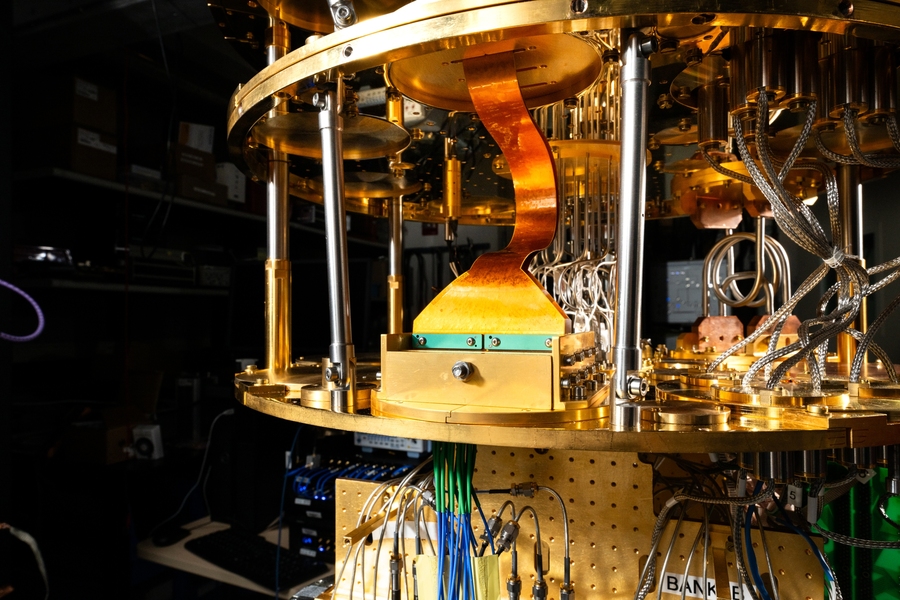
Flexible cryogenic cables solve a challenge in quantum system development A prototype wiring system for dilution refrigerators could advance the realization of practical quantum computers. June 17, 2026
The tenured engineers of 2026 Ten faculty members have been granted tenure in five units across MIT’s School of Engineering. June 15, 2026
How to create distinguishable states for quantum systems Researchers establish key insights for reading and writing information for quantum sensing, communication, computing, and control. June 15, 2026
Fluorescent nanosensor enables rapid, first-of-its-kind detection of key gut health biomarker Researchers developed an optical nanosensor to rapidly detect a key gut biomarker, enabling faster, accessible screening. June 15, 2026