Nanosatellite thruster emits pure ions

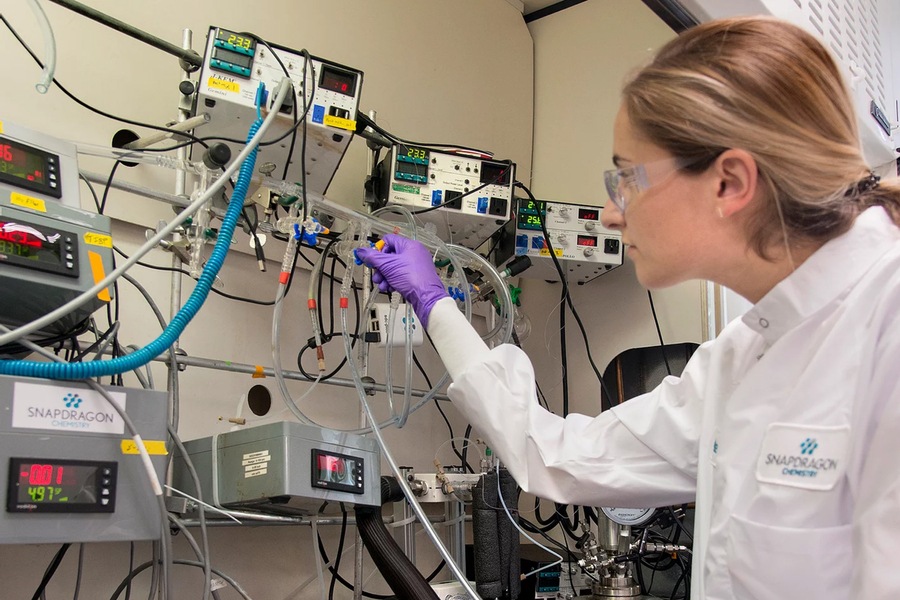
Nanosatellite thrusters that emit a stream of pure ions are the first of their kind to be entirely additively manufactured, using a combination of 3D printing and hydrothermal growth of zinc oxide nanowires. A stainless steel version works better overall, but is much more expensive to produce. MIT researchers found that a polymer version yields comparable performance at a lower cost.

Read more at MIT News.

Could lab-grown plant tissue ease the environmental toll of logging and agriculture?

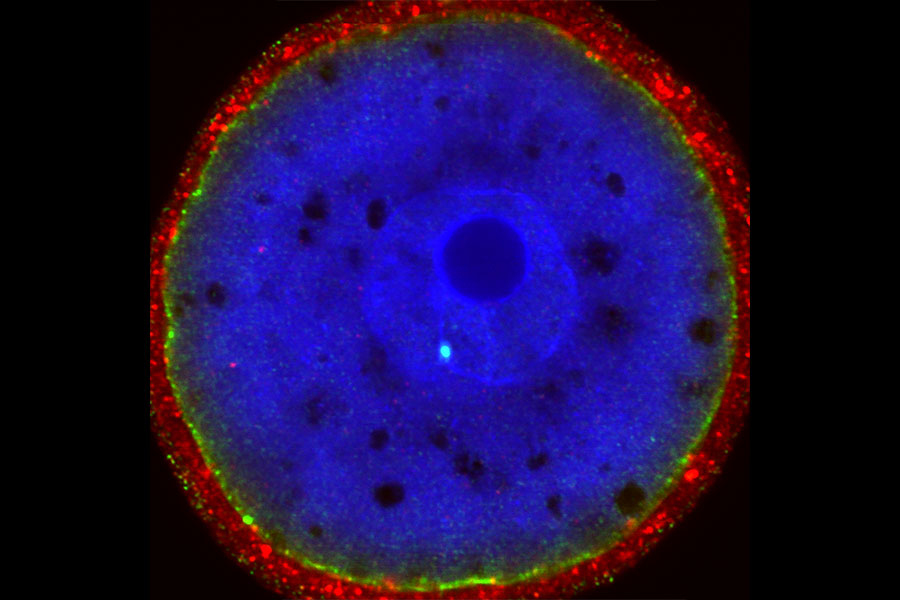
MIT researchers have proposed a method to grow plant-based materials, like wood and fiber, and have demonstrated the concept by growing a culture of wood-like cells from zinnia leaves.

This research was funded, in part, by the Draper Fellow Program. Ashley Beckwith, a PhD student in mechanical engineering, is the lead author. Coauthors are Beckwith’s co-advisors Velásquez-García, a principal scientist in MIT’s Microsystems technology Laboratories, and Jeffrey Borenstein, a biomedical engineer at the Charles Stark Draper Laboratory.

Read more at MIT News.

IDEAS Social Innovation Challenge—Applications due Jan. 24

The IDEAS Social Innovation Challenge is MIT’s 20 -year old annual social entrepreneurship program housed in the PKG Public Service Center. Since its founding in 2001, IDEAS has enabled MIT student-led teams to apply their education and expertise in collaboration with community partners to address social and environmental challenges around the world. Through this program, you can recruit a team from anywhere in the world and develop a creative solution in partnership with impacted stakeholders. Your team can also benefit from a supportive body of reviewers, mentors, and funding within the range of $1,000 – $20,000.

Applications due January 24, 2021.